

Showing posts with label Books. Show all posts
Showing posts with label Books. Show all posts
Sunday, November 17, 2019
Bears Make the Best Math Buddies
We are super excited about this post! We’ve developed a Book Bite for Carmen Oliver’s BEARS MAKE THE BEST MATH BUDDIES. This adorable math book allows for more than math in the classroom so we just had to share. If you love this book, she has BEARS MAKE THE BEST READING BUDDIES and BEARS MAKE THE BEST WRITING BUDDIES coming in January. These books make great buddies for our students!


Monday, September 30, 2019
Pick a Picture Book Author
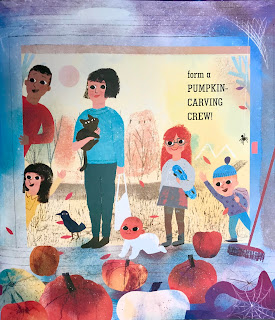
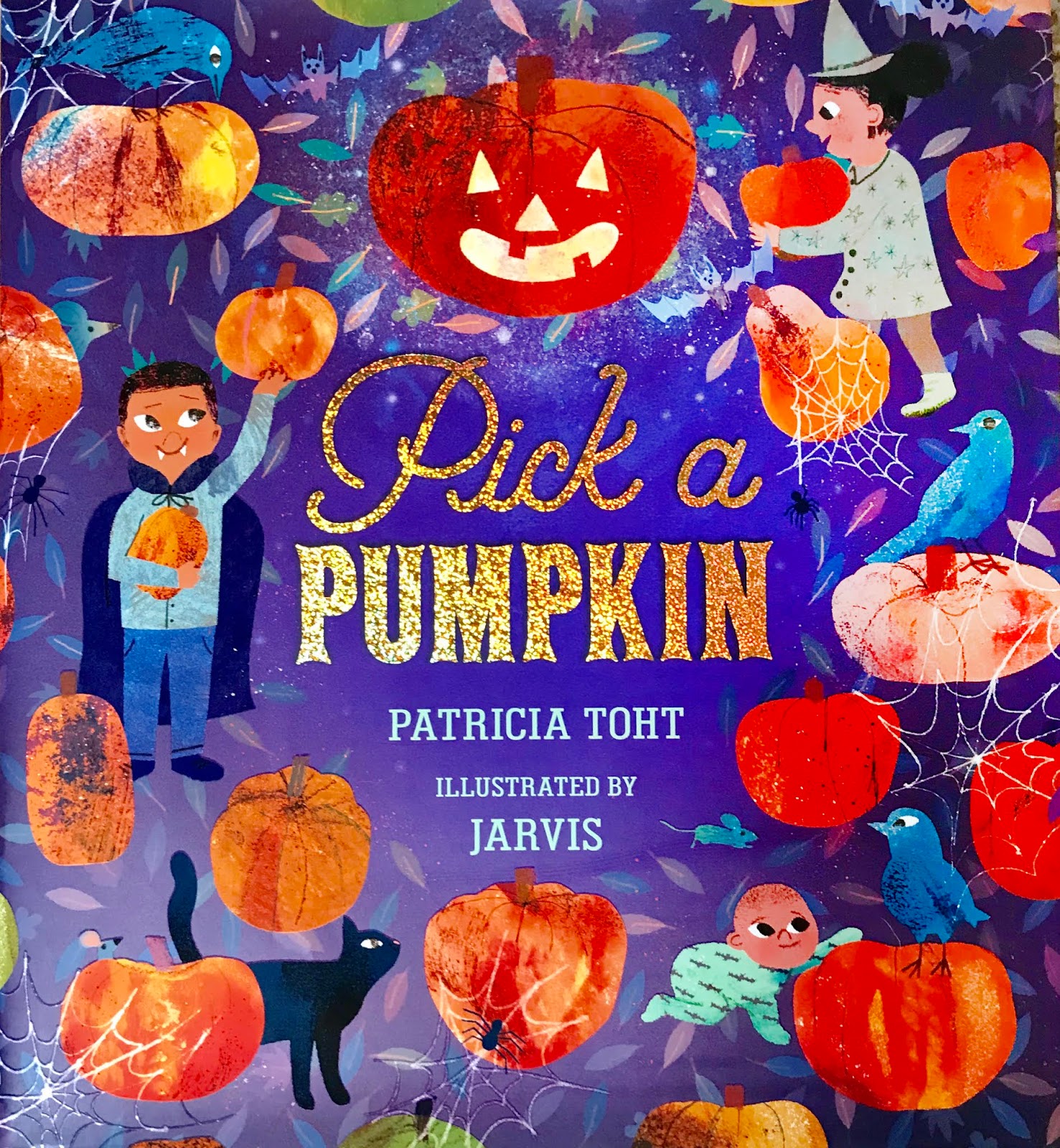
Fall is off to a great start because we have an interview with Patricia Toht, author of many irresistible picture books. Read on to find out when she started writing, why she does it, and what the future holds for her. We’ve also included a Book Bite for PICK A PUMPKIN, her latest book, which just happens to be perfect for this time of year!


1. How long have you been an author?
My path has been a long one! When I meet with students, I like to tell them that I started writing before the turn of the century, then I laugh as their mouths drop open. Shortly after I graduated from college, I had a brief go at writing for children (around 1986), but I didn’t try in earnest until 1995, when I stopped working full-time for awhile to stay at home with my four children.
2. What made you want to become an author?
I fell in love with children’s books as a bookseller first. I opened a children’s bookstore in the Chicago suburbs in 1988. Seven years later, Borders, Barnes & Noble, and Super Crown bookstores all moved in a few miles away and siphoned off enough sales to sink us. But my love of selling books eventually grew into a love of writing books.
3. Tell us about your most recent book, PICK A PUMPKIN. Where did you get this idea?
I took a poetry class with Illinois poet Heidi Roemer, which reawakened an affinity for poetry. PICK A PUMPKIN began as a shorter poem about selecting the perfect pumpkin, and it eventually grew into carving a jack-o’-lantern, too. Researching picture books about pumpkins, I couldn’t find any that focused on that process, and I hoped there was a need in the market for a book like that. I soon wrote PICK A PINE TREE, too, and submitted them as companion books.



4. Authors get rejected a lot. What do you do when you get rejected?
Believe me, I don’t always take rejection well! But I read a book by Steven Pressfield called The War of Art, and this quote has always stayed with me:
“So you’re taking a few blows. That’s the price for being in the arena and not on the sidelines. Stop complaining and be grateful.”
I try to remind myself of this. And I’ve also grown to know that writing can be a numbers game. The more you write (and submit), the greater your chance that something will resonate with an editor.
5. You’ve already written PICK A PINETREE and PICK A PUMPKIN. Will there be another PICK A ___ book in the future?
I have a few ideas, but that editor is not interested right now. She wants me to diversify my writing a bit, so I’m working on different things.
6. What’s the hardest part about writing picture books? What’s the easiest?
The easiest for me is coming up with ideas, although I throw out a lot of ideas before I find a really great one. The hardest is the first round of editing with my editor because I’ve worked so hard to make the manuscript the best (I think) it can be before I submit. I can be a crabby re-writer for a few days after my first editorial letter!
7. Can you tell us anything about what you’re working on now?
I have two more books that are in the illustration process. TAXI, GO follows a taxi through the stops and starts of its day, and will be illustrated by Maria Karipidou. TOGETHER WITH YOU is a celebration of grandparents and grandchildren, and pairs me up with Jarvis again!
8. What do you do when you’re not writing?
I’m a library associate in a big, busy middle school. I love it! But I do miss my days working at the public library where I led family storytimes. For me, there’s nothing like a room of “littles” to make my heart happy!
9. What advice would you give someone who wants to become an author?
It’s not new advice – READ, READ, READ! Because I owned a bookstore, I read hundreds of picture books each season to discern which ones to purchase. I eventually developed an internal sense of picture book rhythm and length, and learned about certain elements like page turns and the “rule of three.” I still check out loads of picture books from my local library. Also, I know that I always have more to learn, so I read craft books, attend conferences, and work with critique partners to improve my writing. (I write for the GROG blog. To learn more about page turns, the rule of three, and how to make a “dummy” of your picture book, check out my posts.)
Bio: Patricia Toht is a poet, picture book author, and school library associate. She once owned a children's bookshop before turning a love of books into a love of writing. She is the author of four picture books - ALL ABOARD THE LONDON BUS, illustrated by Sam Usher, DRESS LIKE A GIRL, illustrated by Lorian Tu, and PICK A PINE TREE and PICK A PUMPKIN, illustrated by Jarvis. Find her online at www.patriciatoht.com, on Twitter as @PatriciaToht, and Instagram as patricia.toht. She is represented by Julia Churchill at A.M. Heath (London).


1. How long have you been an author?
My path has been a long one! When I meet with students, I like to tell them that I started writing before the turn of the century, then I laugh as their mouths drop open. Shortly after I graduated from college, I had a brief go at writing for children (around 1986), but I didn’t try in earnest until 1995, when I stopped working full-time for awhile to stay at home with my four children.
2. What made you want to become an author?
I fell in love with children’s books as a bookseller first. I opened a children’s bookstore in the Chicago suburbs in 1988. Seven years later, Borders, Barnes & Noble, and Super Crown bookstores all moved in a few miles away and siphoned off enough sales to sink us. But my love of selling books eventually grew into a love of writing books.
3. Tell us about your most recent book, PICK A PUMPKIN. Where did you get this idea?
I took a poetry class with Illinois poet Heidi Roemer, which reawakened an affinity for poetry. PICK A PUMPKIN began as a shorter poem about selecting the perfect pumpkin, and it eventually grew into carving a jack-o’-lantern, too. Researching picture books about pumpkins, I couldn’t find any that focused on that process, and I hoped there was a need in the market for a book like that. I soon wrote PICK A PINE TREE, too, and submitted them as companion books.


4. Authors get rejected a lot. What do you do when you get rejected?
Believe me, I don’t always take rejection well! But I read a book by Steven Pressfield called The War of Art, and this quote has always stayed with me:
“So you’re taking a few blows. That’s the price for being in the arena and not on the sidelines. Stop complaining and be grateful.”
I try to remind myself of this. And I’ve also grown to know that writing can be a numbers game. The more you write (and submit), the greater your chance that something will resonate with an editor.
5. You’ve already written PICK A PINETREE and PICK A PUMPKIN. Will there be another PICK A ___ book in the future?
I have a few ideas, but that editor is not interested right now. She wants me to diversify my writing a bit, so I’m working on different things.
6. What’s the hardest part about writing picture books? What’s the easiest?
The easiest for me is coming up with ideas, although I throw out a lot of ideas before I find a really great one. The hardest is the first round of editing with my editor because I’ve worked so hard to make the manuscript the best (I think) it can be before I submit. I can be a crabby re-writer for a few days after my first editorial letter!
7. Can you tell us anything about what you’re working on now?
I have two more books that are in the illustration process. TAXI, GO follows a taxi through the stops and starts of its day, and will be illustrated by Maria Karipidou. TOGETHER WITH YOU is a celebration of grandparents and grandchildren, and pairs me up with Jarvis again!
8. What do you do when you’re not writing?
I’m a library associate in a big, busy middle school. I love it! But I do miss my days working at the public library where I led family storytimes. For me, there’s nothing like a room of “littles” to make my heart happy!
9. What advice would you give someone who wants to become an author?
It’s not new advice – READ, READ, READ! Because I owned a bookstore, I read hundreds of picture books each season to discern which ones to purchase. I eventually developed an internal sense of picture book rhythm and length, and learned about certain elements like page turns and the “rule of three.” I still check out loads of picture books from my local library. Also, I know that I always have more to learn, so I read craft books, attend conferences, and work with critique partners to improve my writing. (I write for the GROG blog. To learn more about page turns, the rule of three, and how to make a “dummy” of your picture book, check out my posts.)
Bio: Patricia Toht is a poet, picture book author, and school library associate. She once owned a children's bookshop before turning a love of books into a love of writing. She is the author of four picture books - ALL ABOARD THE LONDON BUS, illustrated by Sam Usher, DRESS LIKE A GIRL, illustrated by Lorian Tu, and PICK A PINE TREE and PICK A PUMPKIN, illustrated by Jarvis. Find her online at www.patriciatoht.com, on Twitter as @PatriciaToht, and Instagram as patricia.toht. She is represented by Julia Churchill at A.M. Heath (London).

Tuesday, September 3, 2019
The One & Only Wolfgang
Happy Book Birthday to THE ONE & ONLY WOLFGANG! Steve Greig, Mary Rand Hess and Nadja Sarell have created one incredible book about one incredible family. Here are some activities you can complete after reading to extend the fun!

Sunday, May 26, 2019
I'm Done! Are You?
“I’m Done!” How many times do teachers and parents hear that phrase? Gretchen Brandenburg McLellan has managed to create a character who sounds exactly like half the kids in my class! Little Beaver thinks he’s done building the dam and continues to join his friends in play. His parents have to keep reminding him that he isn’t quite done yet. This back and forth is so relatable to young readers. My students even started repeating the phrase long after the book ended in a voice they thought Little Beaver might use. I created a few extra ideas if you’d like to extend the story past your reading time. Get your copy of the book here!


Monday, May 13, 2019
Twinderella, A Fractioned Fairy Tale and a Book Bite
Twinderella, A Fractioned Fairy Tale, by Corey Rosen Schwartz and Deborah Marcero, is our most favorite fraction book ever! Seriously, our grade level had one copy to start, thought we were going to share it, then –Poof– everyone insisted on having their own copy! This charming math story conquers fractions as parts of a region and parts of a group. We couldn’t ask for more. The text is just the right length and tells a succinct, attention-grabbing fractioned fairytale. We even made a book bite for it so we could extend the use of the book. Have fun!


Tuesday, May 7, 2019
A Perfect Interview


1. How long have you been an author?
I feel like I’ve always been an author. I was the kid who wrote stories and plays for my friends, and then as a teen and eventually as an adult I always managed to add creative writing into my school work and career. I started to write seriously though in 2013 when my son went to kindergarten and I had a little more time on my hands to learn the craft of writing and practice those skills.
2. What made you want to become an author?
When I first gave writing a shot I was 19 and at that point I wanted to be an author because of the way writing made me feel. When I started really writing at 35 I wanted to become an author because I saw how reading made my son feel. He loved (and still does) to read and so reading books and telling stories became an important part of how we connected and how he explored his own imagination. I had to be part of something that had such a significant effect on him.
3. Tell us about your most recent book, PENCIL’S PERFECT PICTURE. Where did you get this idea?
Pencil’s Perfect Picture started out as a companion book to Where Are The Words?, my first book. In the end of Where Are The Words? the Period says that Pencil can help finish the story by drawing the perfect pictures. While my editor liked the story, she suggested that we make it a stand-alone and add a family touch. I definitely agreed with that vision and so I gave Pencil the goal of drawing a perfect picture for his dad. The rest of the story takes Pencil through art school where he asks the other artists like Paintbrush, Marker, and Pastel what makes their pictures perfect. His inability to get a straight answer combined with his dad’s reaction to Pencil’s picture was my way of telling kids that art is meant to be fun and there is no standard of perfection. What makes art perfect is that it comes from the heart.


Ugh, rejection can really hurt sometimes! I usually give myself a minute to deal with the loss of the excitement and hope that comes with submitting a beloved manuscript. After that I move on to the next story that makes me feel just as excited and hopeful.
5. Both of your picture books have a pencil as a character. What’s up with you and pencils?
Hahaha! I know, right? I promise that I am done with the pencil, and probably art supplies as well. I have to keep the punctuation going though, can’t have a story without punctuation.
6. What’s the hardest part about writing picture books? What’s the easiest?
For me, the hardest part of writing a picture book is making sure that I don’t get so wrapped up in the plot that I forget to include the heart of the story. It’s really easy to create the superficial stakes behind the character’s main goal, but adding in the underlying emotional risk or motivation takes a little more thought, actually a lot more thought. What comes easiest is probably the story structure. I’m not sure if it’s because of my relatively organized nature, but I know how to structure a story pretty well and well enough to be able to break from it occasionally and still have it work. It’s the first thing I look at when I revise and the first thing I talk about when I give critiques.
7. Describe what it’s like to hear the news that you’ve just gotten a book contract.
8. Can you tell us anything about what you’re working on now?
I am in the final stages of revising a story with my agent that I really like even though I can’t stand to think about the main character. It’s… a spider (*gags*). I know, “why would you write about such a disgusting character?” Well, sometimes we have to push ourselves a bit. I just hope it goes out on submission soon so that I don’t have to keep thinking about it. (Blech)
9. What do you do when you’re not writing?
I read a ton! Thank goodness for the library or we would be in some massive book debt. I also try to stay active to counter the hours spent writing or reading and I have a ten year-old and a goofy dog who keep me out and about.
10. What advice would you give someone who wants to become an author?
Embrace patience; patience with the process of writing, patience with publishing, and patience with yourself. There really isn’t much that happens quickly in this world of writing and if you expect it to be then it will become more frustrating than rewarding. So, while you are in the midst of practicing patience, find ways to take your mind off of what you are waiting for. Go for a walk, spend time in the children’s section of the library or bookstore, be creative in other ways, or write about something other than a story- like answers to interview questions :0)
Bio: Jodi McKay lives in Michigan with her husband, son, and two furry friends. She is the PAL coordinator for SCBWI-MI, and is active in several online writing groups. She has two books published by Albert Whitman & Co., WHERE ARE THE WORDS? (2016) and the forthcoming picture book, PENCIL’S PERFECT PICTURE (May, 2019).
Jodi is represented by Linda Epstein of Emerald City Literary Agency.
Want to chat with Jodi? You can find her here:
Website- www.JodiMcKayBooks.com
Email- Jodi@JodiMcKayBooks.com
Facebook- https://www.facebook.com/JLMcKayBooks/
Twitter- https://twitter.com/JLMcKay1
Friday, April 12, 2019
Going to School with Little Larry and Mary Rand Hess
Mary Rand Hess is a New York Times bestselling author and we got an interview with her! She’s sharing inside details about her approach to writing, her published books, and her current work in progress. One of the coolest reveals is about her latest book, LITTLE LARRY GOES TO SCHOOL, the story of an orphaned chimp. Enjoy the read! Thank you, Mary!

I have been writing seriously for over 25 years. Right out of college, I started writing for newspapers, magazines, and literary journals, and then made my way to screenplays, picture books, and young adult novels.
What made you want to become an author?
In second grade, we had to present a book report. I adapted Charlotte’s Web by E.B. White into a puppet show, making my own puppets and performing an abridged version for the class. I remember getting a standing ovation, and to my surprise was asked to perform it again (and believe me, I was not the teacher’s pet). It was in that moment I knew the power of storytelling. By fifth grade, another teacher told my mother I was destined to be an author. I rejected the notion at first because I wanted to be on stage singing and playing the piano.
But in truth I had always loved telling stories. Whether it was putting on puppet shows (thank you, Mr. Rogers), plays, or creating storyboards, it was enchanting to orchestrate a world of make-believe. In that world, anything could happen—I could even become a rock star. It wasn’t until I was twenty-years-old that I realized my fifth grade teacher was right, I was born to be an author.
Tell us about your most recent book, LITTLE LARRY GOES TO SCHOOL. How did this book come together?
I was approached by National Geographic to coauthor Little Larry Goes to School (The True Story of a Timid Chimpanzee Who Learned to Reach New Heights) with Gerry Ellis, who is a renowned wildlife filmmaker, photographer, and writer, and whose work has appeared in National Geographic, BBC Wildlife, New York Times, Ranger Rick, and more. Gerry and I became fast friends and bonded over the adorable Little Larry. Gerry shared his amazing photographs and accounts of being up close and personal with this little chimp (who found a way to fit in with the other chimps, while learning to be brave). It wasn’t long before I felt like I knew Gerry and Little Larry well. Gerry has spent countless hours documenting the lives of great apes, including young chimpanzees like Little Larry. If you love the wild and you love great apes, Gerry’s your person!


Rejection stings a little... sometimes a lot, but it is a part of the journey. When I receive a rejection, I like to listen to music to process my thoughts and feelings, and then I usually write a stanza of a new poem, or dig out an older one I’ve been working on to get my mind on the important ingredients of creating and revising. I also love hugs from my family and dogs. And when I’m really feeling down in my blues, I compose on the piano. I think rejection is a necessary part of the process and makes us more thoughtful creators. And when time has passed and I feel wiser, I take out that rejected piece and give it another shot at success.
What’s the hardest part about writing picture books? What’s the easiest?
Picture books are definitely not easy to write. Many people have met the fate of trying to write a picture book and realizing it was not as easy as they thought. The hardest part for me is deciding how to execute a story in a picture book, and cutting back on words that I love and want to keep. Writing poetry has been good practice and has helped me understand the importance of the economy of words when it comes to a picture book. The easiest part is brainstorming characters, story ideas, and storylines, because ideas tend to be endless. Sometimes I think I’ll never get to them all.
Describe what it’s like to hear the news that you’ve just gotten a book contract.
It’s like a friend stopping by for a surprise visit and bringing you a birthday cake and a present, even when it’s not your birthday. It’s also like... “Well, it’s about time!”
Can you tell us anything about what you’re working on now?
I just finished up a book called The One and Only Wolfgang: From Pet Rescue to One Big Happy Family with my friend Steve Greig of @wolfgang2242 Instagram fame. The story is about Steve’s real-life family of senior dogs, chickens, a rabbit, and a pig named Bikini. These pets, who were once “unadoptable,” but are now “unstoppable” together, show us what it means to be a big quirky family, where everyone belongs. I’m thrilled to say the book releases September of this year!
What do you do when you’re not writing?
I LOVE hanging out at the beach with family, visiting with friends, taking naps with my dogs, baking, listening to copious amounts of music, and composing and riffing on the piano while my dog sings.
What advice would you give someone who wants to become an author?
Write the story that you can’t get out of your heart and mind. Write about characters, settings, and storylines you feel passionate about. Read lots of books in all different genres, and revise, revise, revise! Know that everyone will experience rejection—it’s part of the creative process. Keep writing and believing that you have the power to inspire with your words.
Need some fun ideas about what to do after reading Little Larry Goes to School? Check out our book bite!

Thursday, April 4, 2019
How to Track and Easter Bunny- A Book Bite
Well, Sue Fliess is back on the scene giving tips for finding one of our favorites…the Easter Bunny! HOW TO TRACK AN EASTER BUNNY is written in rhyme at a perfect pace to keep your students engaged! There are some amazing ideas in the back too! We’ve written a mini book bite to give you activities to accompany this book at home or school! Hip-hop-hooray!


Saturday, February 16, 2019
Yes, Dragons Get Colds Too!
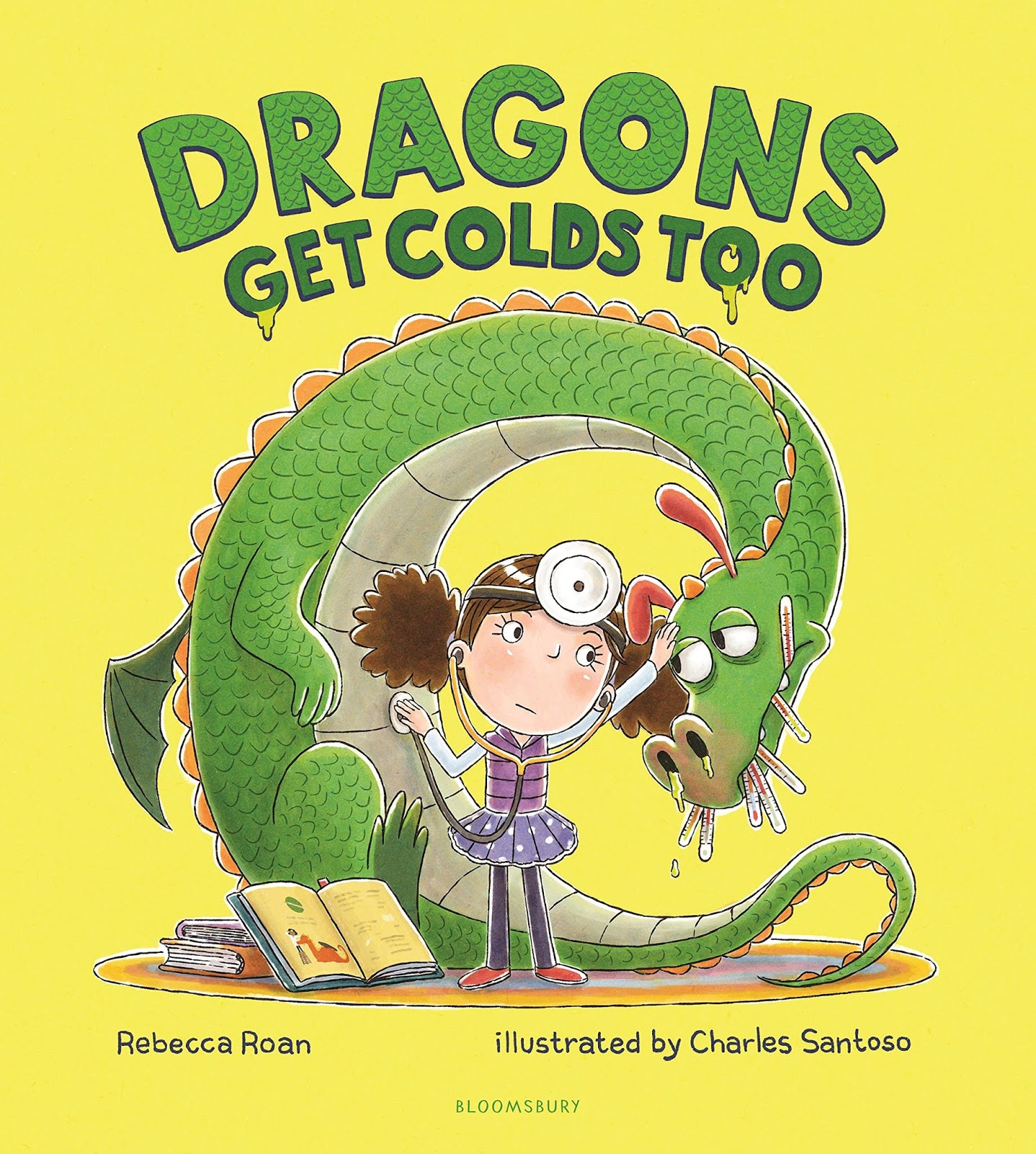
This book, DRAGONS GET COLDS TOO, is hot off the press,
dragon breath and scales included. The hilarious Rebecca Roan has written an irresistible book full of laughs and tips for taking care of your sick
dragon. The illustrations from Charles Santoso are
eye-catching, and endearing. We’ve created some hands-on fun that will go right
along with your copy of the book. Tip: Your dragon will not get well without
this step-by-step advice!


Sunday, February 3, 2019
A Chat with Laurie Wallmark
We are extremely lucky to have the talented Laurie Wallmark on our blog! She has wowed us with her books, ADA BYRON LOVELACE AND THE THINKING MACHINE and GRACE HOPPER: QUEEN OF COMPUTER CODE, and now she has another must-read. Thank you, Laurie, for giving us an inside look into your writing life and your most recent book.
 How long have you been an author?
I’ve been writing for about twenty years now. My first book wasn’t published until 2015, though.
What made you want to become an author?
Unlike many of my kidlit author friends, I wasn’t interested in writing as a child. I was a math and science kid all the way. Other than a few poems and songs, the only writing I did was for school assignments. One day, I had an idea for a middle grade novel, so I decided to see if I could transform that idea into an actual book. I did, and that book became the first step on my path to being a writer. It’s now one of my trunk novels, hidden away, never again to see the light of day.
Tell us about your newest book, HEDY LAMARR’S DOUBLE LIFE: HOLLYWOOD LEGEND AND BRILLIANT INVENTOR (PEOPLE WHO SHAPED OUR WORLD). Where did you get the idea?
I’m always on the lookout for women in STEM (science, technology, engineering, math) whose achievements have been overlooked. In fact, I keep a list of possible subjects for future biographies. Hedy co-invented a vital piece of technology that helps keep our electronic communications safe from hacking, yet most people only know her as a movie star with a pretty face. I wanted to share the achievements of this amazing inventor with the world.

Authors get rejected a lot. What do you do when you get rejected?
It’s hard to have your work rejected, but I try to tell myself that a rejection is only one person’s opinion. Somewhere out there is an editor who will love my book as much as I do. She just hasn’t met my book yet.
All of your published books are about women. Do you have more women-centered books yet to be written?
I have two more women in STEM books coming out in the next two years. The first, Numbers in Motion: Sophie Kowalevski, Mathematician, tells about the life and achievements whose work solves problems as different as calculating the path of a planet or a spinning football. The second book hasn’t been announced yet, so all I can say is it’s another unsung woman in STEM.
What do you do when you’re not writing?
Read. Read. Read.
Describe what it’s like to hear the news that you’ve just gotten a book contract.
It’s incredibly exciting to receive a call that says an editor has fallen in love with your book. (See my previous answer about rejection). Together, you will work to bring out a book that hopefully kids will love, too.
What advice would you give someone who wants to become an author?
A writer writes. You need to work at your craft if you want to become an author. In addition, it helps to develop a thick skin to cope with those inevitable rejections.
Here is a sneak peek at some of the pages from HEDY LAMARR’S DOUBLE LIFE: HOLLYWOOD LEGEND AND BRILLIANT INVENTOR (PEOPLE WHO SHAPED OUR WORLD):


Award-winning author Laurie Wallmark’s debut picture book, ADA BYRON LOVELACE AND THE THINKING MACHINE (Creston Books, 2015), received four starred trade reviews (Kirkus, Publishers Weekly, Booklist, and School Library Journal) and many national awards including Outstanding Science Trade Book and Cook Prize Honor Book. Her picture book biography, GRACE HOPPER: QUEEN OF COMPUTER CODE (Sterling Children’s Books, 2017), earned a Kirkus star, is a Parents’ Choice Gold Medal winner, and is on several public libraries’ “best of” lists, including New York. Her recently released book is HEDY LAMARR’S DOUBLE LIFE (Sterling Children’s Books, 2019). Laurie has an MFA in Writing for Children and Young Adults from VCFA. You can find Laurie on the Web at www.lauriewallmark.com and @lauriewallmark.
Wednesday, January 9, 2019
Do You Want to be a Ninja?
Sue Fliess (http://www.suefliess.com) has done it again! She’s written another can’t-resist, must-have, children’s book called, Ninja Camp. Her talented illustrator, Jen Taylor, has created the perfect pictures to take every reader on an authentic ninja camping experience. We wrote a Book Bite to help you and the kids in your life, can become “ninjas of the night” too!

Tuesday, December 11, 2018
Mrs. Claus Takes the Reins
We are in the final stretch to Winter Break and desperately trying to hold the attention of our excited students. Thank you, Sue Fliess for coming to the rescue with your new book, Mrs. Claus Takes the Reins!
 If you have kids in your life, put on your Santa hat, grab your boots, and go get your copy today. Then try our activities to go along with the story. This book and these ideas are our survival kit for the next couple of days! Ho, ho, go Mrs Claus!


Sunday, October 21, 2018
Haunted Halloween- A Book Bite
Check out our latest Book Bite. We’ve taken HAUNTED HALLOWEEN, by Sue Fliess, and created activities for educators and parents. Download our ideas and have a spooktacular time!


Wednesday, October 10, 2018
A Haunted Halloween with Sue Fliess
The poetically prolific author Sue Fliess has a new book just perfect for young Halloween lovers. We thought this would be the perfect time for another interview with her!
Since this is our second interview with you we are going to dive a little deeper into your life as a writer! What is the funniest thing that has ever happened to you as an author?
Once I was doing a reading at a bookstore, and when I was done and taking questions from the kids, this one 7-yr old boy asked me if I wrote the book. I said “Yes,” and he looked very puzzled. Then he said, “But, are you alive?” Turns out, he was under the impression that authors are usually dead. So, lucky me, I was the first ‘alive’ author he’d ever met!
Do you prefer to create your stories on paper or on the computer?
Well, actually, I create them in my head first! If they seem like they actually make sense, then depending on where I am, I either type them on my computer, or I might send myself an email with the idea or just jot it down on a small notebook I keep in my purse, for exactly that reason.
You have written two books about Halloween. Why?
I absolutely love Halloween! I own several wigs and costumes and usually go all out on Halloween with decorations. My first Halloween book, Goblin Hood was inspired by my son, who at the time, could not pronounce bow and arrow – he said ‘bone and arrow.’ I immediately asked the question: What type of creature would use that? My brain made a Robin Hood connection, and a creature/goblin character came to mind, and it just fit! For Haunted Halloween, which is my new board book, I wanted to write a very young Halloween story, and I remember trying to challenge myself to use as few words as possible. Believe it or not, I wrote it before I wrote Goblin Hood, which came out in 2016. Sometimes that’s just how it happens. I thought it would be fun to add a counting element to the story of 5 trick-or-treaters, and thankfully it worked!
We love your board book, HAUNTED HALLOWEEN. What’s your favorite page and why?
My favorite page is for the number 8. Eight gargoyles. Cauldron boils. I think I should get a ribbon for getting ‘gargoyle’ in a rhyming picture book, ha!
Tell us about one of your Halloween costumes from your childhood.
I was Casper, the friendly ghost and my sister was Minnie Mouse!

What’s your next book to be released?
My next book is already out, so I’ll tell you about both that one and the one coming in January. Mrs. Claus Takes the Reins (another holiday book!), illustrated by Mark Chambers and published by Amazon/Two Lions Press, came out September 18. It’s about Santa getting a sniffle and deciding to call off Christmas. But Mrs. Claus says she’ll take over the job for the night. It’s fun and funny, and the illustrations are adorable.
Santa says,
“I’m stuffy. I’m sneezy. I’m slow as a yeti.
My big ho-ho-ho isn’t holiday-ready.
We must cancel Christmas, oh what a disgrace.”
Mrs. Claus answers:
“I have a solution. I’ll go in your place!”
And in January, I have a rhyming picture book coming from Running Press Kids called Ninja Camp, illustrated by Jen Taylor. In Ninja Camp, a diverse group of girls and boys attend a ninja camp, where they hope to become Ninjas of the Night. As they learn new skills, they are challenged by the rival camp, Ninjas of the Dawn, and must defend their camp’s Shadow Blade. I’m happy to tell you that even though they lose the Shadow Blade briefly, they get it back and become official ninjas as a team.
Do you have a special snack or drink you like to have while writing?
Coffee. Oh, and coffee.
What are you working on right now?
I am working on two stories. A build-upon picture book based on a famous nursery rhyme, and a new—wait for it—holiday book that I’m under contract for that will be out fall of 2019.
How does your dog, Charlie, play a role in your daily writing routine?
He’s my rock. My support system. Okay, that’s not totally true. But he is my faithful housemate while I’m writing. Sometimes I will bounce ideas off of him, and he wags in approval. That said, he did inspire a book that I wrote earlier this year about a boy and his dog as they grow up together, that I’m really hoping will find the right home. It’s like nothing I’ve ever written before.
Out of all of your books, which one do you like the best? Why?
Oh, gosh, this is a tough question! Right now I have 2 favorites, but if you ask me next year, it will likely change: Mary Had a Little Lab and Mrs. Claus Takes the Reins. I think all the women-empowerment activity going on has catapulted them into the lead, and also inspired my writing.
Thank you so much for "hanging out" with us today!!!
Tuesday, July 24, 2018
Open a New Chapter Book
Sometimes when we start a new chapter book we like to surprise our students. First we cover the book in wrapping paper, bulletin board paper, or even newspaper comic strips. We set the wrapped book out for all to see and the suspense builds. Students make predictions about the book’s title and subject matter. Sometimes they want to pick the book up and feel it or even shake it! We have a big unveiling, or rather unwrapping, after allowing the students a full day of guessing. Ooohs and aaahs are certain to follow. Don’t forget to reuse or recycle the paper!


Tuesday, June 26, 2018
Summer Book Picks 2018
We are big believers in students being able to choose the
books they read. Our classrooms are overflowing with choices and we give total
freedom to our students. Often times we have parents and even colleagues who
want recommendations. We have dozens! So we compiled some favorites for a summer list.
 Please know there are many more amazing reads out there! Hit the
libraries, swap with friends, visit an indie bookstore such as Scrawl Books or find a Little Free Library near you. Whatever you do...read!!

Wednesday, June 20, 2018
Making Friends with Change
Change. Not my favorite word. But it’s a word I had to tackle at the end of this school year, and we aren’t done wrestling yet. My friend and colleague of 27 years retired, my awesome principal took a job elsewhere, we have a new superintendent coming in, and as usual, I had to say goodbye to my students of 10 months. That’s a lot... isn’t it?
Though I crave the freedom of summer: turning off the alarm, traveling, and taking trips to the bathroom whenever I want, my mind still wanders to fall. How will I survive without my steadfast teaching soul mate? What if we get a principal like the soup Nazi on Seinfeld? (“No dress down days for you!”) Will the new superintendent do what’s best for our school system?
Change is about acceptance. No matter how much I worry or complain, nothing will go back to the way it was. Another school year will come and I’ll welcome it with open arms. Yikes! Right now my arms are crossed which means I have a ton of work to do. But maybe change isn’t just about acceptance. Maybe it’s about rejuvenating so you can have the strength to accept the changes. Since acceptance isn’t coming easily for me, I’m going to start with rejuvenation.
First, I’m going to spend as much time as possible in pajamas. Even if I’m doing laundry, paying bills, or cleaning the house, I’m having multiple dress down days at home! (Hey, my next principal might not give us any.)
Next, I’m going to read a book I’ve been saving - THE CREATIVITY PROJECT, edited by Colby Sharp.
 It’s about originality, imagination, and sparks of all kinds. It’s written by the authors and illustrators we celebrate in our classrooms. I’m certain it will freshen my mind and inspire dozens of ideas for the 2018-2019 school year.
While I’m reading, I’m going to drink fun drinks like this one.
 I’m going to sip slowly, maybe even take an hour per drink to make up for the rushed lunches I normally have. I’m going to go on long walks and use that time to reflect on the luck I’ve had in my teaching career. I’ve been surrounded by kind, hard-working people, and I’ve been lead by some of the best principals. I’m pretty sure I’ve laughed every day. Kids will do that for you.
Finally, I’ll start working on acceptance. The shifts are coming and darn it, I WILL shift too. I WILL open my mind to the thought that maybe luck will continue its presence at school. I WILL brainstorm ways to make my classroom an easy adjustment for my next group of students who will also be facing change. I WILL try my best. I WILL try my best. I MIGHT spike my fun drinks.
Change and I aren’t friends yet. We may never be. But I’m armed with comfy pjs, a book, and a drink. I can do this. I think.
Ann Marie Stephens
Twitter: AMStephens_
Though I crave the freedom of summer: turning off the alarm, traveling, and taking trips to the bathroom whenever I want, my mind still wanders to fall. How will I survive without my steadfast teaching soul mate? What if we get a principal like the soup Nazi on Seinfeld? (“No dress down days for you!”) Will the new superintendent do what’s best for our school system?
Change is about acceptance. No matter how much I worry or complain, nothing will go back to the way it was. Another school year will come and I’ll welcome it with open arms. Yikes! Right now my arms are crossed which means I have a ton of work to do. But maybe change isn’t just about acceptance. Maybe it’s about rejuvenating so you can have the strength to accept the changes. Since acceptance isn’t coming easily for me, I’m going to start with rejuvenation.
First, I’m going to spend as much time as possible in pajamas. Even if I’m doing laundry, paying bills, or cleaning the house, I’m having multiple dress down days at home! (Hey, my next principal might not give us any.)
Next, I’m going to read a book I’ve been saving - THE CREATIVITY PROJECT, edited by Colby Sharp.

While I’m reading, I’m going to drink fun drinks like this one.

Finally, I’ll start working on acceptance. The shifts are coming and darn it, I WILL shift too. I WILL open my mind to the thought that maybe luck will continue its presence at school. I WILL brainstorm ways to make my classroom an easy adjustment for my next group of students who will also be facing change. I WILL try my best. I WILL try my best. I MIGHT spike my fun drinks.
Change and I aren’t friends yet. We may never be. But I’m armed with comfy pjs, a book, and a drink. I can do this. I think.
Ann Marie Stephens
Twitter: AMStephens_
Monday, February 19, 2018
Ariel Bernstein Has a Balloon, We Have an Interview
We would like to welcome Ariel Bernstein to our blog. I first met Ariel at an SCBWI conference many years ago. She was kind, talented, and had an awesome book in the works called, I HAVE A BALLOON. Since then she’s landed more book deals, consistently supported her kidlit friends, all while raising two kids. Read on to find out about her publishing experience and one really weird, yet awesome, fact about her! Thanks, Ariel!

AMS/ER: Tell us three things about yourself: One funny, one weird, and one interesting.
AB: Funny – I still have a baby tooth. I usually forget until I have my dentist cleaning and it’s commented on.
Weird – I can count the letters in a group of words almost automatically. So if someone says “Tell us three things about yourself” I know all those letters add up to 30 right away. Weird, right?
Interesting – Not to brag, but I make the best dessert in the history of dessert. It’s called cottage pudding, and it’s the easiest thing ever. You cut up pound cake into small cubes, mix them with a ton of whipped cream, and then mix in all sorts of berries. I guess someone might prefer a different dessert, but I don’t trust those people.
AMS/ER: How did you break into the publishing world?
AB: I broke in through the slush pile. I spent time querying, signed with my agent Mary Cummings, and she submitted my stories to editors. Sounds straight forward but there were the usual stumbles and heartbreaks along the way!
AMS/ER: Where do you like to write?
AB: I like to write on either the loveseat in my living room or the couch in my den. They’re pretty comfy ☺
AMS/ER: Why an owl and a monkey?
AB: At first I thought of two frogs, but quickly discarded that idea. I went into my children’s rooms to find inspiration for different characters by looking at their stuffed animals. I found an owl doll and a Curious George doll. I thought the idea of a calm, rational owl, and an energetic monkey would go together pretty well!
 AMS/ER: What is your next book? Tell us a little about it.
AB: The first two books in my chapter book series, WARREN & DRAGON, illustrated by the awesome Mike Malbrough, are coming out on August 28, 2018 (Viking Children’s). It’s about a dreamy seven-year old boy named Warren and Dragon, his vain dragon companion.

 AMS/ER: If you could have lunch with a children’s book author or illustrator whom would you choose and why?
AB: I once heard Rita Garcia-Williams give a wonderful speech at a conference. I’d love to sit down and listen to her talk over lunch and ask about her incredible career.
AMS/ER: What are you working on now?
AB: I’m working on books three and four of the WARREN & DRAGON series!
Questions our first grade students think all authors should answer:
First Graders: How do you concentrate?
AB: It can be hard but I just make myself sit and write. I usually put my cell phone in another room.
First Graders: How do you think of great ideas?
AB: All you have to do is find the most inconvenient time to think of a great idea – like in the middle of driving or taking a shower – and voila! An incredible idea will pop into your head that you won’t be able to write down. You’ll hope against hope you’ll remember it by the time you can access a pencil.
First Graders: Why did you become an author?
AB: I like making up stories and hearing that people find them funny, so that’s pretty good motivation.
First Graders: How did you get famous?
AB: I’m not sure I’m quite on the ‘famous’ level yet, so I’ll let you know when I get there how it happened!

AMS/ER: Tell us three things about yourself: One funny, one weird, and one interesting.
AB: Funny – I still have a baby tooth. I usually forget until I have my dentist cleaning and it’s commented on.
Weird – I can count the letters in a group of words almost automatically. So if someone says “Tell us three things about yourself” I know all those letters add up to 30 right away. Weird, right?
Interesting – Not to brag, but I make the best dessert in the history of dessert. It’s called cottage pudding, and it’s the easiest thing ever. You cut up pound cake into small cubes, mix them with a ton of whipped cream, and then mix in all sorts of berries. I guess someone might prefer a different dessert, but I don’t trust those people.
AMS/ER: How did you break into the publishing world?
AB: I broke in through the slush pile. I spent time querying, signed with my agent Mary Cummings, and she submitted my stories to editors. Sounds straight forward but there were the usual stumbles and heartbreaks along the way!
AMS/ER: Where do you like to write?
AB: I like to write on either the loveseat in my living room or the couch in my den. They’re pretty comfy ☺
AMS/ER: Why an owl and a monkey?
AB: At first I thought of two frogs, but quickly discarded that idea. I went into my children’s rooms to find inspiration for different characters by looking at their stuffed animals. I found an owl doll and a Curious George doll. I thought the idea of a calm, rational owl, and an energetic monkey would go together pretty well!

AB: The first two books in my chapter book series, WARREN & DRAGON, illustrated by the awesome Mike Malbrough, are coming out on August 28, 2018 (Viking Children’s). It’s about a dreamy seven-year old boy named Warren and Dragon, his vain dragon companion.


AB: I once heard Rita Garcia-Williams give a wonderful speech at a conference. I’d love to sit down and listen to her talk over lunch and ask about her incredible career.
AMS/ER: What are you working on now?
AB: I’m working on books three and four of the WARREN & DRAGON series!
Questions our first grade students think all authors should answer:
First Graders: How do you concentrate?
AB: It can be hard but I just make myself sit and write. I usually put my cell phone in another room.
First Graders: How do you think of great ideas?
AB: All you have to do is find the most inconvenient time to think of a great idea – like in the middle of driving or taking a shower – and voila! An incredible idea will pop into your head that you won’t be able to write down. You’ll hope against hope you’ll remember it by the time you can access a pencil.
First Graders: Why did you become an author?
AB: I like making up stories and hearing that people find them funny, so that’s pretty good motivation.
First Graders: How did you get famous?
AB: I’m not sure I’m quite on the ‘famous’ level yet, so I’ll let you know when I get there how it happened!
Thursday, December 21, 2017
Enginerds, Robots, and Farts!
Have you ever met an author online and had an instant connection because he is hilarious, brilliant, and extremely generous with his praise for other authors? I have and his name is Jarrett Lerner. This amazing guy recently released his book, ENGINERDS. Mysterious boxes, creative kids, and farting robots will make you laugh hard enough to snort, as you turn page after quick-paced page. We were thrilled when Jarrett agreed to answer some questions for our blog. Read on to find out more about his process. You may even snatch up some free writing advice!

 AMS/ER: People say authors write what they know. Why robots?
JL: It’s true that some people say, “Write what you know,” but there are other people who say, “Rules are meant to be broken.” For certain writers, writing what you don’t know is often more fruitful – not to mention more fun! I had no idea what might happen if one day a mysterious box with a robot inside of it showed up on a kid’s doorstep. By writing that story, I found out.
AMS/ER: How do you think of great ideas?
JL: I don’t know where ideas come from – if I did, I’d be there right now, scooping up as many of them as I could! What I do know, however, is that my best ideas always come to me when I’m doing three things:
The first is reading. The best way to get your brain looking for ideas of its own is to expose it to the ideas of others.
The second thing is exploring. I don’t mean you have to go on a trip to a faraway land or have some dangerous adventure. You can explore every second of every day, even if you’re just going to school and eating dinner with your family, simply by being present and observant, keeping aware, and using all of your senses.
The third thing is dreaming, and that’s when you let your ideas and your experiences dance to the unique tune of your own imagination. It’s when you sit around and just let your mind wander and wonder.
Do these three things – read, explore, and dream – and soon enough you’ll have more ideas than you know what to do with.
AMS/ER: Where did the idea for ENGINERDS come from?
JL: Like I said, I don’t know exactly where my ideas come from. But when it comes to EngiNerds, I’ve got a guess.
Here are two facts about me: I like to read about robots and I’m always getting packages in the mail. Usually the boxes are full of books or pet food or art supplies. One day, perhaps after reading about robots, I was picking up a box off my porch when I thought, “Hey. What if it wasn’t pet food in here. What if it was a robot?”
Once I’d asked myself that, about a billion more what if? questions popped into my head. I was so curious to find out the answers to them all that I wrote a whole book to do so.
AMS/ER: Were you or are you still an EngiNerd?
JL: An EngiNerd is someone who is curious about the world around them, who is interested in how things work, and who every now and again likes to get their hands dirty and make something. So yes – I’m definitely an EngiNerd!
AMS/ER: Where do you like to write?
JL: I write anywhere and everywhere. Sometimes it’s on my couch with my cat on my lap. Sometimes it’s in my bed with my wife snoring beside me. Sometimes it’s in my study, surrounded by all my favorite books. Sometimes it’s on a train or a plane or in a hotel or a café.
I don’t like to limit myself to one spot, because then if I can’t actually be in that spot I can still “get in the zone” and write. I also find that some places are better for some kinds of writing, while other places are better for other kinds of writing.
AMS/ER: Did you want a robot as a kid?
JL: Of course I did! Who wouldn’t want a robot?! I still want one – as long as it doesn’t eat all the food in my house and fart speeding food cubes at me, that is…
AMS/ER: Why not radishes?
JL: Because whether we try to or not, we always leave an imprint of ourselves on what we create. Also, I just thought it was funny – which is the reason I write a lot of the things I write!
AMS/ER: What is your dream food cube?
JL: My dream food cube would contain a couple dozen banoffee pies and a carton or two of cold milk.
AMS/ER: How long did it take you to write ENGINERDS?
JL: I wrote the first draft of EngiNerds very quickly – but then wrote another draft, and then another draft, and then another draft. Then my agent read it and made me write another draft. Then my editor read it and made me write another, and another, and another. Then my copy-editor read it and had me do it all over again…
Writing a book is long and hard, and most of that time is spent revisiting and revising what you’ve already revisited and revised what feels like a million times. A first draft is just you telling yourself the story you have knocking around in your head. Every draft after that is you getting closer and closer to the perfect way to tell everyone else that story.
AMS/ER: What is your next book?
JL: My next book will be a sequel to EngiNerds. I can’t tell you too much about it, but I can say that in it: Kitty becomes obsessed with a very important sock, a rather curious cloud appears in the sky, and a female EngiNerd who might be even smarter than John Henry Knox himself joins the crew.
Questions our first grade students think all authors should answer:
First Graders: How do you concentrate?
JL: I make sure my stomach is full and my bladder is empty, then I take some deep breaths and try to clear my head. If that doesn’t work, rather than beat myself up about it, I’ll read a little bit or go for a walk, then come back later to whatever it is I was trying to concentrate on before.
First Graders: Why did you become an author?
JL: I became an author because I can’t get enough of stories. I’ve always loved listening to them and reading them and, soon after I learned to read, I discovered I enjoyed telling them, too. Stories can be exciting, entertaining, and enchanting. They can let you see through the eyes of someone whose life you otherwise might not get to know a single thing about. They allow you to experience things – distant lands, made-up lands, moments both painful and triumphant – by simply moving your eyes across a page and using your imagination.
Stories are magic, and I can’t imagine a better way to spend my time than by bringing a little magic into other people’s lives.
First Graders: How did you become an author?
JL: I read and read and read and wrote and wrote and wrote, then I read some more and wrote some more and then I did it all over again. Eventually I started sharing my stories with others, finding and befriending people who wrote the sorts of things I did, and reaching out to authors to learn what they did in order to get their stories made into books. If you want to become an author, you can do the same: read, write, share, and ask for help.
First Graders: How did you get famous?
JL: Me, famous?! I think not. How about “How did you get where you are today?” That I can answer. I did so by (1) exploring and playing around until I found the things I loved doing most, (2) doing those things as much as I could and as passionately as I could, (3) surrounding myself with other positive, creative, supportive people, and (4) never giving up.

JL: It’s true that some people say, “Write what you know,” but there are other people who say, “Rules are meant to be broken.” For certain writers, writing what you don’t know is often more fruitful – not to mention more fun! I had no idea what might happen if one day a mysterious box with a robot inside of it showed up on a kid’s doorstep. By writing that story, I found out.
AMS/ER: How do you think of great ideas?
JL: I don’t know where ideas come from – if I did, I’d be there right now, scooping up as many of them as I could! What I do know, however, is that my best ideas always come to me when I’m doing three things:
The first is reading. The best way to get your brain looking for ideas of its own is to expose it to the ideas of others.
The second thing is exploring. I don’t mean you have to go on a trip to a faraway land or have some dangerous adventure. You can explore every second of every day, even if you’re just going to school and eating dinner with your family, simply by being present and observant, keeping aware, and using all of your senses.
The third thing is dreaming, and that’s when you let your ideas and your experiences dance to the unique tune of your own imagination. It’s when you sit around and just let your mind wander and wonder.
Do these three things – read, explore, and dream – and soon enough you’ll have more ideas than you know what to do with.
AMS/ER: Where did the idea for ENGINERDS come from?
JL: Like I said, I don’t know exactly where my ideas come from. But when it comes to EngiNerds, I’ve got a guess.
Here are two facts about me: I like to read about robots and I’m always getting packages in the mail. Usually the boxes are full of books or pet food or art supplies. One day, perhaps after reading about robots, I was picking up a box off my porch when I thought, “Hey. What if it wasn’t pet food in here. What if it was a robot?”
Once I’d asked myself that, about a billion more what if? questions popped into my head. I was so curious to find out the answers to them all that I wrote a whole book to do so.
AMS/ER: Were you or are you still an EngiNerd?
JL: An EngiNerd is someone who is curious about the world around them, who is interested in how things work, and who every now and again likes to get their hands dirty and make something. So yes – I’m definitely an EngiNerd!
AMS/ER: Where do you like to write?
JL: I write anywhere and everywhere. Sometimes it’s on my couch with my cat on my lap. Sometimes it’s in my bed with my wife snoring beside me. Sometimes it’s in my study, surrounded by all my favorite books. Sometimes it’s on a train or a plane or in a hotel or a café.
I don’t like to limit myself to one spot, because then if I can’t actually be in that spot I can still “get in the zone” and write. I also find that some places are better for some kinds of writing, while other places are better for other kinds of writing.
AMS/ER: Did you want a robot as a kid?
JL: Of course I did! Who wouldn’t want a robot?! I still want one – as long as it doesn’t eat all the food in my house and fart speeding food cubes at me, that is…
AMS/ER: Why not radishes?
JL: Because whether we try to or not, we always leave an imprint of ourselves on what we create. Also, I just thought it was funny – which is the reason I write a lot of the things I write!
AMS/ER: What is your dream food cube?
JL: My dream food cube would contain a couple dozen banoffee pies and a carton or two of cold milk.
AMS/ER: How long did it take you to write ENGINERDS?
JL: I wrote the first draft of EngiNerds very quickly – but then wrote another draft, and then another draft, and then another draft. Then my agent read it and made me write another draft. Then my editor read it and made me write another, and another, and another. Then my copy-editor read it and had me do it all over again…
Writing a book is long and hard, and most of that time is spent revisiting and revising what you’ve already revisited and revised what feels like a million times. A first draft is just you telling yourself the story you have knocking around in your head. Every draft after that is you getting closer and closer to the perfect way to tell everyone else that story.
AMS/ER: What is your next book?
JL: My next book will be a sequel to EngiNerds. I can’t tell you too much about it, but I can say that in it: Kitty becomes obsessed with a very important sock, a rather curious cloud appears in the sky, and a female EngiNerd who might be even smarter than John Henry Knox himself joins the crew.
Questions our first grade students think all authors should answer:
First Graders: How do you concentrate?
JL: I make sure my stomach is full and my bladder is empty, then I take some deep breaths and try to clear my head. If that doesn’t work, rather than beat myself up about it, I’ll read a little bit or go for a walk, then come back later to whatever it is I was trying to concentrate on before.
First Graders: Why did you become an author?
JL: I became an author because I can’t get enough of stories. I’ve always loved listening to them and reading them and, soon after I learned to read, I discovered I enjoyed telling them, too. Stories can be exciting, entertaining, and enchanting. They can let you see through the eyes of someone whose life you otherwise might not get to know a single thing about. They allow you to experience things – distant lands, made-up lands, moments both painful and triumphant – by simply moving your eyes across a page and using your imagination.
Stories are magic, and I can’t imagine a better way to spend my time than by bringing a little magic into other people’s lives.
First Graders: How did you become an author?
JL: I read and read and read and wrote and wrote and wrote, then I read some more and wrote some more and then I did it all over again. Eventually I started sharing my stories with others, finding and befriending people who wrote the sorts of things I did, and reaching out to authors to learn what they did in order to get their stories made into books. If you want to become an author, you can do the same: read, write, share, and ask for help.
First Graders: How did you get famous?
JL: Me, famous?! I think not. How about “How did you get where you are today?” That I can answer. I did so by (1) exploring and playing around until I found the things I loved doing most, (2) doing those things as much as I could and as passionately as I could, (3) surrounding myself with other positive, creative, supportive people, and (4) never giving up.
Saturday, December 9, 2017
Daddy Depot Author, Chana Stiefel, Dishes the Details on Her Latest Book and Other Writerly Questions
Meet Chana Stiefel, children’s book author. She’s funny and talented and kind enough to be a guest on our blog today. We love her latest book DADDY DEPOT and we are so excited to share her interview here.

AMS/ER: People say authors write what they know. What do you know about swapping daddies?
CS: LOL! I know that I would never swap my Pop, or my husband. They are terrific dads & get a Lifetime Guarantee. But as DADDY DEPOT points out, no one is perfect. The best dad for you is probably the one you have. (Moms, on the other hands, are perfect in every way. Wink, wink.)
AMS/ER: How did you get the idea for Daddy Depot?
CS: One night, at bedtime, my daughter (who was seven) was mad at her dad. We spun a story about a girl who returns her father to the Daddy Depot and goes shopping for a new one. After bedtime, I ran downstairs and started writing! Nine years later, it’s a book!
AMS/ER: Why do you think your readers relate to your book?
CS: At some point, every kid realizes that his or her parents aren’t perfect. Parents act goofy in public, they tell bad jokes, sometimes they’re glued to their phones. Despite their benign bad behavior, they give us just what we need & more. It’s a story about unconditional love.
AMS/ER: What’s your favorite joke?
CS: I’m not sure I have a favorite joke (or at least not one I can share here), but I can tell you the first joke I remember: “Why is the barn so noisy? Because the cows have horns!” When I was a kid, I thought that was the funniest thing ever. Don’t know why.
AMS/ER: Can you tell us about your own dad?
CS: I’m thinking about writing a memoir about my dad! He’s a retired plastic surgeon and also an artist--he paints, sculpts, and writes stories and songs. When I was about nine or ten years old, we climbed to the roof of my house (it was a single-story ranch) and poured paint onto a canvass just for fun. (Don’t try this at home, kids!) Right now, my dad is running a sculpture program for kids (he volunteers at a school down the road from his house). Throughout my childhood (and even today), he taught us to care for all human beings, stand up for our beliefs, love nature, and show kindness every day. Here's a picture of me picking olives with my dad in Israel last summer.

AMS/ER: What is your next book coming out? Tell us a little about it.
CS: My next non-fiction book is called ANIMAL ZOMBIES & OTHER MONSTERS IN NATURE (National Geographic Kids, September 2018). Each chapter is about different kinds of “animal monsters.” Animal zombies are parasites that take over the brains of other animals. Animal vampires are critters that suck blood. I’ve also included animal cannibals, monsters of the deep, creatures of the night, and many more. The photos will freak you out!
My next fictional picture book is called WAKAWAKALOCH. It’s a semi-autobiographical story about a cave girl who wants to change her unpronounceable name. That’s coming out from Houghton Mifflin Harcourt in 2019. I saw the cover by illustrator Mary Sullivan and it’s hilarious. Can’t wait to share it! I have a few other books coming up soon!
AMS/ER: What are you working on now?
CS: I’m very excited to be working on two picture book biographies and a very quiet picture book about dealing with loss. AMS: If you could have lunch with any children’s book author whom would you choose and why? CS: Oh wow. This is a tough one! I have so many favorites. Can I cheat and say KatediCamilloMoWillemsKwameAlexanderPatrickMcDonnellJKRowlingRitaWilliamsGarciaandthelateAmyKrouseRosenthal? That’s just my shortlist. They all have inspired me in so many different ways--to follow my heart, pursue my dreams, have fun, play with words, and keep writing!
Questions our first grade students think all authors should answer:
First Graders: How do you concentrate?
CS: Squirrel! Wait! What was the question? It’s so tough these days to find quiet time to concentrate and write. Last year, I started working in a high school three days a week, so I have much less writing time than I used to. (Did I mention that I’m also the mom of four kids?) The key is to set aside strict times during the day or week, shut off any distractions, and focus. Set small goals and make deadlines: For example, “I need to finish two paragraphs by dinner time.” And then don’t get up from your chair until you’re done! (Unless nature is calling…)
First Graders: How do you think of great ideas?
CS: My ideas come from life! As I mentioned, DADDY DEPOT came from a bedtime story. WAKAWAKALOCH is based on my own hard-to-pronounce name. (It’s a throat-clearing CH like Chanukah +AH +NAH). I also find lots of fun story ideas in the news and in conversation with friends.
First Graders: Why did you become an author?
CS: My third grade teacher, Mrs. Wyman, encouraged me to write. I’ve been publishing ever since! There’s something thrilling about seeing your words transformed into a book. And writing for kids is the greatest gift. My advice is to do what you love and love what you do! (I have that saying on my favorite T-shirt.)
First Graders: How did you get famous?
CS: I’m not! At least I don’t think so. I’m not sure fame is something I want. I enjoy sharing my books with kids, stretching their imaginations, and making them think more deeply about the world around them. The last thing I would want is flashbulbs in my face distracting me from my goals.
Author Bio
Chana Stiefel is the author of more than 20 nonfiction books for kids about exploding volcanoes, stinky castles, and other fun stuff. DADDY DEPOT is her debut picture book. While she would never return her father—or her husband—to the daddy store (she likes their corny jokes too much), she worries that her kids will return her to the Mommy Market. Visit Chana at www.chanastiefel.com and her authors’ blog www.kidlittakeaways.com.


AMS/ER: People say authors write what they know. What do you know about swapping daddies?
CS: LOL! I know that I would never swap my Pop, or my husband. They are terrific dads & get a Lifetime Guarantee. But as DADDY DEPOT points out, no one is perfect. The best dad for you is probably the one you have. (Moms, on the other hands, are perfect in every way. Wink, wink.)
AMS/ER: How did you get the idea for Daddy Depot?
CS: One night, at bedtime, my daughter (who was seven) was mad at her dad. We spun a story about a girl who returns her father to the Daddy Depot and goes shopping for a new one. After bedtime, I ran downstairs and started writing! Nine years later, it’s a book!
AMS/ER: Why do you think your readers relate to your book?
CS: At some point, every kid realizes that his or her parents aren’t perfect. Parents act goofy in public, they tell bad jokes, sometimes they’re glued to their phones. Despite their benign bad behavior, they give us just what we need & more. It’s a story about unconditional love.
AMS/ER: What’s your favorite joke?
CS: I’m not sure I have a favorite joke (or at least not one I can share here), but I can tell you the first joke I remember: “Why is the barn so noisy? Because the cows have horns!” When I was a kid, I thought that was the funniest thing ever. Don’t know why.
AMS/ER: Can you tell us about your own dad?
CS: I’m thinking about writing a memoir about my dad! He’s a retired plastic surgeon and also an artist--he paints, sculpts, and writes stories and songs. When I was about nine or ten years old, we climbed to the roof of my house (it was a single-story ranch) and poured paint onto a canvass just for fun. (Don’t try this at home, kids!) Right now, my dad is running a sculpture program for kids (he volunteers at a school down the road from his house). Throughout my childhood (and even today), he taught us to care for all human beings, stand up for our beliefs, love nature, and show kindness every day. Here's a picture of me picking olives with my dad in Israel last summer.
AMS/ER: What is your next book coming out? Tell us a little about it.
CS: My next non-fiction book is called ANIMAL ZOMBIES & OTHER MONSTERS IN NATURE (National Geographic Kids, September 2018). Each chapter is about different kinds of “animal monsters.” Animal zombies are parasites that take over the brains of other animals. Animal vampires are critters that suck blood. I’ve also included animal cannibals, monsters of the deep, creatures of the night, and many more. The photos will freak you out!
My next fictional picture book is called WAKAWAKALOCH. It’s a semi-autobiographical story about a cave girl who wants to change her unpronounceable name. That’s coming out from Houghton Mifflin Harcourt in 2019. I saw the cover by illustrator Mary Sullivan and it’s hilarious. Can’t wait to share it! I have a few other books coming up soon!
AMS/ER: What are you working on now?
CS: I’m very excited to be working on two picture book biographies and a very quiet picture book about dealing with loss. AMS: If you could have lunch with any children’s book author whom would you choose and why? CS: Oh wow. This is a tough one! I have so many favorites. Can I cheat and say KatediCamilloMoWillemsKwameAlexanderPatrickMcDonnellJKRowlingRitaWilliamsGarciaandthelateAmyKrouseRosenthal? That’s just my shortlist. They all have inspired me in so many different ways--to follow my heart, pursue my dreams, have fun, play with words, and keep writing!
Questions our first grade students think all authors should answer:
First Graders: How do you concentrate?
CS: Squirrel! Wait! What was the question? It’s so tough these days to find quiet time to concentrate and write. Last year, I started working in a high school three days a week, so I have much less writing time than I used to. (Did I mention that I’m also the mom of four kids?) The key is to set aside strict times during the day or week, shut off any distractions, and focus. Set small goals and make deadlines: For example, “I need to finish two paragraphs by dinner time.” And then don’t get up from your chair until you’re done! (Unless nature is calling…)
First Graders: How do you think of great ideas?
CS: My ideas come from life! As I mentioned, DADDY DEPOT came from a bedtime story. WAKAWAKALOCH is based on my own hard-to-pronounce name. (It’s a throat-clearing CH like Chanukah +AH +NAH). I also find lots of fun story ideas in the news and in conversation with friends.
First Graders: Why did you become an author?
CS: My third grade teacher, Mrs. Wyman, encouraged me to write. I’ve been publishing ever since! There’s something thrilling about seeing your words transformed into a book. And writing for kids is the greatest gift. My advice is to do what you love and love what you do! (I have that saying on my favorite T-shirt.)
First Graders: How did you get famous?
CS: I’m not! At least I don’t think so. I’m not sure fame is something I want. I enjoy sharing my books with kids, stretching their imaginations, and making them think more deeply about the world around them. The last thing I would want is flashbulbs in my face distracting me from my goals.
Author Bio
Chana Stiefel is the author of more than 20 nonfiction books for kids about exploding volcanoes, stinky castles, and other fun stuff. DADDY DEPOT is her debut picture book. While she would never return her father—or her husband—to the daddy store (she likes their corny jokes too much), she worries that her kids will return her to the Mommy Market. Visit Chana at www.chanastiefel.com and her authors’ blog www.kidlittakeaways.com.
Subscribe to:
Posts (Atom)